Brazil is one of the largest construction markets in Latin America — and one of the most challenging for imported cladding materials. Between high import taxes, a complex customs system, and fierce competition from abundant domestic natural stone, importers need to be strategic about which products they bring in. This guide covers everything Brazilian importers, architects, and contractors need to know about lightweight exterior cladding in 2026: why demand is rising, how MCM flexible stone compares to local options, what the import process looks like, and how to choose a reliable supplier.
Why Lightweight Cladding Is Rising in Brazil
Three forces are driving demand for lightweight cladding across Brazilian cities:
1. The high-rise renovation wave. São Paulo, Rio de Janeiro, and Belo Horizonte built thousands of residential and commercial towers between the 1970s and 2000s. Many now need facade modernization and interior repositioning — but their structures were never designed for the 25–40 kg/m² load of traditional granite or quartzite cladding. At 3.0–10.5 kg/m², lightweight panels deliver the premium stone look without structural reinforcement.
2. Speed and labor economics. Brazilian construction labor costs keep climbing. Flexible stone panels install 2–3× faster than traditional stone: no wet cutting, no heavy anchoring systems, and standard 600×1200 mm sheets cover large areas quickly with minimal joints.
3. Design trends. Events like CASACOR São Paulo — the largest architecture and design exhibition in Latin America — have pushed textured natural surfaces into mainstream residential and hospitality design. Travertine, slate, and linear stone textures now dominate high-end interior specifications.
The Brazilian Construction Market at a Glance
| Factor | What It Means for Cladding |
|---|---|
| Largest market in Latin America | Volume potential for importers and distributors |
| Deep high-rise renovation pipeline | Weight limits favor 3.0–10.5 kg/m² lightweight panels |
| Abundant domestic granite & quartzite | Imported products must compete on weight, flexibility, and design — not raw stone price |
| High-rise interior design culture | Feature walls, elevator lobbies, reception areas = strong demand for premium textures |
| Hospitality & retail expansion | Hotels and flagship stores renovate frequently and need fast, clean installations |
Why MCM Flexible Stone Suits Brazilian Projects
MCM flexible stone is a thin stone-effect cladding made from mineral powders and natural stone powder, formed into sheets just 2–9 mm thick. It combines the authentic texture of natural stone with properties traditional stone cannot offer:
- Ultra-lightweight: 3.0–10.5 kg/m² — roughly one-tenth of natural stone slabs, ideal for renovation projects where structural capacity is the binding constraint
- Flexible: sheets bend around curved columns, rounded reception desks, and arches that would require expensive stone fabrication
- A2 class (GB 8624): classified A2 (limited combustibility) under GB 8624 that meets the fire safety expectations of commercial towers
- Fast installation: adhesive application over render, plywood, or existing tile — no anchor systems, minimal dust and noise
- 200+ textures: travertine, slate, marble, granite, wood grain, and linear patterns across four series
MCM Flexible Stone vs. Local Cladding Options
Brazil produces some of the world’s best granite and quartzite at competitive prices, so imported cladding must compete on different terms. Here is how the main options compare for Brazilian projects:
| Material | Weight | Thickness | Curved Surfaces | Install Speed | Best Use in Brazil |
|---|---|---|---|---|---|
| MCM flexible stone | 3.0–10.5 kg/m² | 2–9 mm | Yes — bends on site | Fast | High-rise renovation, feature walls, curved elements |
| Natural granite/quartzite (local) | 25–40 kg/m² | 15–30 mm | Fabricated only, costly | Slow | Ground-level, structural-heavy new builds |
| Ceramic/porcelain tile | 15–25 kg/m² | 8–12 mm | No | Medium | Budget interiors, wet areas |
| Aluminum composite panel (ACP) | 5–8 kg/m² | 3–4 mm | Yes | Fast | Commercial signage, facades (check fire class) |
| Fiber cement sheet | 10–15 kg/m² | 6–12 mm | Limited | Medium | Utility exterior walls |
The strategic position for importers: MCM does not compete head-on with Brazilian stone on price per square meter. It wins where weight, curvature, and installation speed are the decision drivers — precisely the constraints of high-rise renovation and premium interior fit-out.
Performance in Brazil’s Tropical and Subtropical Climate
Brazil spans equatorial, tropical, and subtropical zones. Coastal cities like Rio, Salvador, and Recife combine high humidity, strong UV exposure, and salt-laden air. MCM flexible stone is engineered for exactly these conditions:
- UV and color stability: inorganic mineral pigments resist fading under intense tropical sun
- Moisture resistance: low water absorption suitable for humid coastal environments and shaded facades
- Freeze-thaw tolerance: relevant for southern Brazil’s subtropical winters in Porto Alegre and Curitiba
For exterior applications, always confirm the installation system (primer + adhesive + sealant) is specified for the local climate. Our guide to hot-humid climate performance covers the details, and the weather resistance and UV testing article explains the testing standards behind the ratings.
Importing Flexible Stone into Brazil: Step by Step
Brazil’s import system is administered through SISCOMEX. For construction materials, the process generally works as follows:
- RADAR registration. Your company needs an active RADAR license (habilitação) with SISCOMEX to import. Verify your category — Express, Limited, or Unlimited — matches your intended import volumes.
- Confirm the HS code. MCM flexible stone panels typically classify under HS 6810.19 (articles of cement, concrete, or artificial stone). Your customs broker (despachante aduaneiro) should confirm the exact NCM code, as it determines duty rates.
- Check whether an import license (LI) applies. Most building cladding products flow under automatic licensing, but confirm current requirements with your broker before ordering.
- Arrange shipping. Ocean freight from China typically calls at Santos (Latin America’s largest port), Paranaguá, or Itapoá. FOB terms from Chinese ports are standard; factor 30–45 days of transit time into your project schedule.
- File the DI (Declaração de Importação) through SISCOMEX, pay the taxes, and clear the goods.
- Confirm technical compliance. For private-sector projects, NBR references and fire test reports are usually specified by the architect or developer rather than mandated by a single national certification. Keep your supplier’s A2 fire test report and technical data sheet on file for tender submissions.
Our export, import, and shipping logistics guide covers packaging, container loading, and documentation in detail.
Understanding Brazilian Import Costs
The cumulative tax burden is the single biggest surprise for first-time importers of building materials. A realistic landed-cost model looks like this:
| Cost Component | Typical Range | Notes |
|---|---|---|
| FOB product price | US$9–25/m² | Depends on texture, series, and order volume |
| Ocean freight + insurance | US$1–4/m² | Varies with container utilization and fuel rates |
| II — Import Duty | ~14–18% | Applied over CIF value; confirm NCM classification |
| IPI — Industrialized Products Tax | ~5–15% | Depends on product classification |
| PIS/COFINS | ~11.75% cumulative | Federal contributions |
| ICMS — State VAT | 18–25% | Varies by state (SP 18%, RJ 20%, others higher) |
Tax rates change frequently and interact in complex ways (some are calculated cumulatively). Always model landed cost with your despachante before committing to an order.
Practical strategies Brazilian importers use to protect margin: order full container loads to amortize freight, negotiate FOB pricing at the 500–1,000 m² level for better unit rates, and position flexible stone as a premium renovation product rather than a commodity — where it competes against fabricated stone work costing far more in labor. See our 2026 cost guide for the full pricing framework.
Supplier Checklist for Brazilian Importers
China is the dominant source of MCM flexible stone, but factories vary widely in quality consistency. Before placing an order, verify:
- Manufacturing track record — years in operation, monthly capacity, and export history to South America or comparable tropical markets
- Certifications — fire test reports (GB 8624 A2 or EN 13501 equivalents), technical data sheets, and radioactivity compliance where required
- Physical samples — always test adhesion and color consistency on your local substrate before ordering production volume
- MOQ and terms — typical MOQ is 200 m² per order; standard terms are 50% deposit and 50% before shipment, with 20–30 working day lead times
- Communication — a dedicated English-speaking export team that responds to technical questions with data, not marketing
Our supplier and manufacturer evaluation guide provides a complete due-diligence framework.
Where Flexible Stone Shines in Brazil
Based on projects across 50+ countries, these applications translate most directly to Brazilian building culture:
High-Rise Apartment Renovation
Lobby and common-area modernization is the volume opportunity. Flexible stone over existing tile or render transforms dated entrances in days, not weeks — with no scaffolding reinforcement and minimal disruption to residents.

Premium Interior Feature Walls
The CASACOR aesthetic — organic texture, warm neutrals, layered stone — is exactly what travertine and marble-look flexible stone delivers. Living room feature walls, TV backdrops, and dining accent walls in premium developments.

Curved Columns and Reception Elements
Round columns and curved reception desks are expensive to clad in rigid materials. Flexible stone wraps curves seamlessly — a signature detail in Brazilian hospitality and retail design.

Hospitality and Retail Fit-Out
Hotels, restaurants, and flagship stores renovate on 3–5 year cycles. Fast, dust-free installation means spaces stay in operation — a decisive advantage for retail chains and hotel operators.

Exterior Facades and Pergola Ceilings
For new low-rise commercial builds and covered outdoor areas, exterior-grade flexible stone provides the stone facade look without the steel substructure heavy cladding demands.

Wood and Mixed Textures
Wood-grain flexible stone brings warmth to saunas, spa areas, and balconies with none of the maintenance real timber requires in tropical humidity.
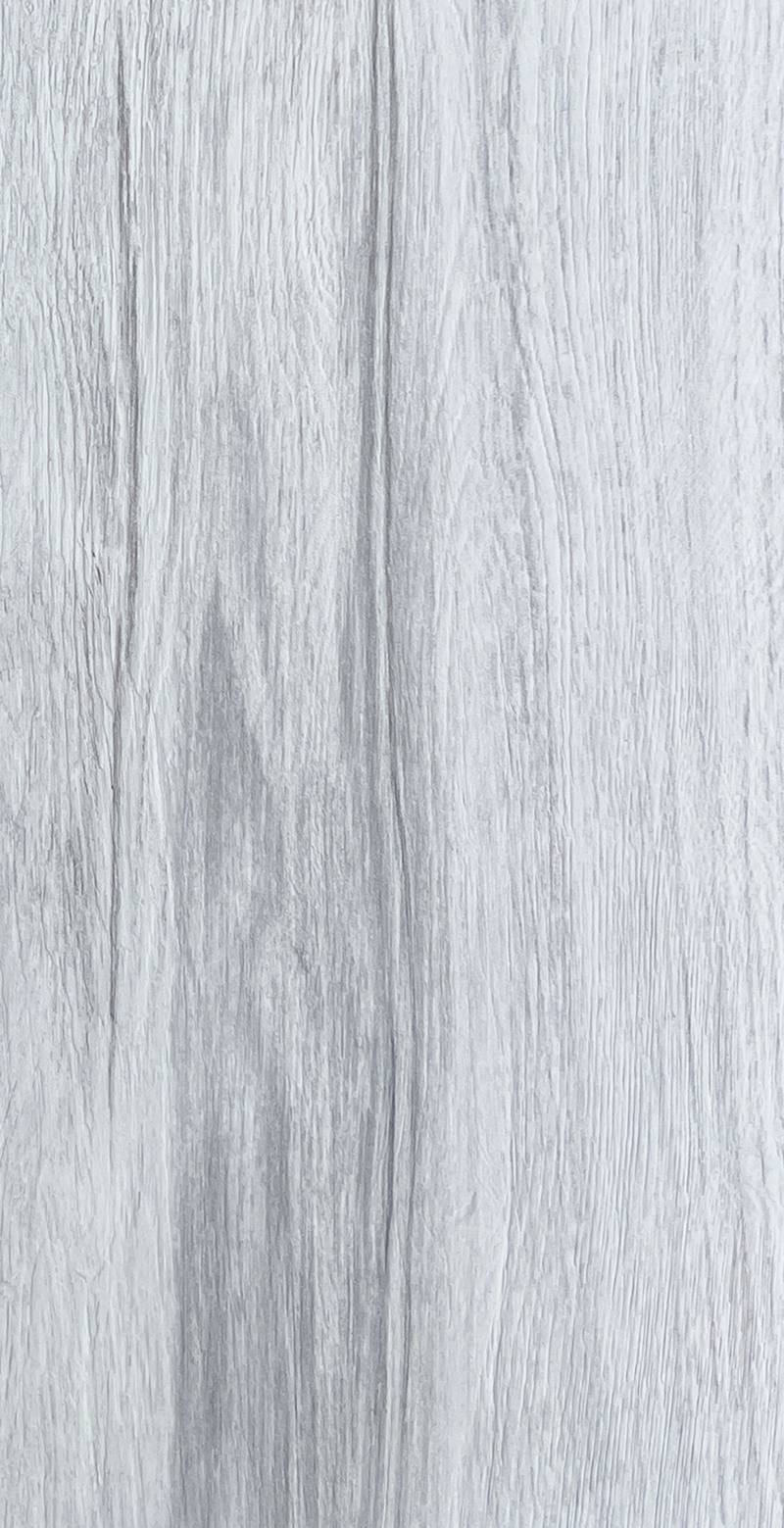
Browse the full range across the Rock Series, Line Series, Simulation Series, and High-End Series, or see the complete texture catalog.
Installation in Brazilian Conditions
Installation is straightforward for any qualified tile or render contractor: substrate check → primer → notched-trowel adhesive → sheet application → joint finishing → sealant on exterior work. High humidity simply means allowing proper adhesive open times. The full process is covered in our step-by-step installation guide, and curved work is detailed in the curved walls and columns installation article. Brazilian installers typically reach full productivity within one small practice area.
Frequently Asked Questions
What is the minimum order quantity for flexible stone?
Standard MOQ is 200 m² per order. Sample sets (200×200 mm pieces) are available for testing before you commit — importers cover courier costs for samples.
Does flexible stone need special maintenance in Brazil’s climate?
No. For interiors, routine dusting and damp wiping suffice. On exteriors, an occasional mild wash keeps textures fresh. Our maintenance and care guide has the full checklist.
Is flexible stone fire-safe for high-rise applications?
Yes — MCM flexible stone carries an A2 class (GB 8624, factory tested) fire rating, meaning limited combustibility. Test reports are provided for tender documentation. Review the details in our A2 class (GB 8624) and safety compliance guide.
How long does shipping from China to Brazil take?
Plan for 30–45 days of ocean transit to Santos or Paranaguá, plus production lead time of 20–30 working days. Order 3–4 months ahead of project start dates.
Can flexible stone be installed over existing tiles?
Yes, in most cases. Sound, well-adhered ceramic tile is an acceptable substrate after cleaning and priming — a major advantage in Brazilian renovation work where demolishing old tile generates cost and disruption.
Conclusion: Positioning for the Brazilian Market
Brazil’s renovation-driven demand, weight-constrained high-rise stock, and design-forward interior culture make it one of the most promising markets in Latin America for lightweight cladding. The importers who win will be those who model landed cost accurately, position MCM against fabricated stone on labor savings rather than against local granite on price, and build specification relationships with architects early.
TooFlexi manufactures MCM flexible stone at 200+ textures across four series, exporting to 50+ countries with A2 class (GB 8624, factory tested) products and full technical documentation. If you are evaluating flexible stone for the Brazilian market, request a free sample set and technical data sheets:
- Email: info@tooflexi.com
- WhatsApp: +86 15013353500
- Product catalog: browse all 43 textures