Why Weight Matters in High-Rise Cladding
When you are specifying exterior cladding for a 20-story residential tower or a 40-story commercial skyscraper, every kilogram per square meter matters. The cumulative weight of facade material across thousands of square meters of building envelope directly impacts structural design, foundation engineering, installation labor, and ultimately, the project budget.
Traditional stone cladding—granite panels, marble slabs, or travertine rainscreens—typically weighs 30–45 kg/m² installed. For a 30-story building with 8,000 m² of facade, that means 240–360 metric tons of dead load hanging off the structure. The building’s frame must be engineered to carry that weight. The foundation must be deeper. The seismic calculations become more complex. And installation requires heavy lifting equipment, specialized rigging, and extended schedules.
MCM flexible stone changes this equation. At just 3.0–10.5 kg/m², MCM panels deliver the authentic texture and visual depth of natural stone at roughly one-tenth the weight. For the same 8,000 m² project, the facade load drops to 24–40 metric tons—a reduction that ripples through every aspect of structural design and project execution.
This guide examines why lightweight cladding is becoming the preferred choice for high-rise projects worldwide, and how MCM flexible stone meets the technical, regulatory, and economic demands of tall-building construction.
The Structural Advantages of Lightweight Cladding
Reducing Dead Load on the Building Frame
Dead load—the permanent, stationary weight of building materials—is a fundamental factor in structural engineering. For high-rise buildings, the facade contributes a significant portion of the total dead load. Reducing facade weight has cascading benefits:
| Cladding Material | Weight (kg/m²) | 8,000 m² Total Load | Structural Impact |
|---|---|---|---|
| Granite panels (30mm) | 75–85 | 600–680 tons | Requires reinforced steel frame |
| Marble slabs (20mm) | 50–55 | 400–440 tons | Needs heavy-duty anchoring system |
| Aluminum composite panel | 5–8 | 40–64 tons | Lightweight but limited texture |
| MCM flexible stone | 3–5 | 24–40 tons | Minimal structural demand |
When you cut facade weight from 400 tons to 30 tons, the structural engineer can specify lighter steel sections, reduce foundation depth, and simplify seismic load calculations. On projects in seismic zones—common across the Pacific Rim, Middle East, and Mediterranean—this weight reduction is not just an economic advantage; it is a safety advantage.
Simplifying Substructure and Anchoring
Heavy stone cladding requires stainless steel anchor systems, continuous aluminum or steel sub-frames, and engineered fixing points drilled into the structural slab. Each anchor must be individually load-tested. The substructure itself can add 8–15 kg/m² of additional weight.
MCM flexible stone uses a simple adhesive-bonded installation system. Panels are applied directly to a prepared substrate using polymer-modified adhesive—no mechanical anchors, no drilling, no specialized sub-frame. The substrate can be existing concrete, cement board, or even a rendered surface. This eliminates an entire trade from the construction schedule and removes the most common point of failure in stone cladding: anchor corrosion and stress concentration.
Foundation and Wind Load Synergy
Lighter facade weight means less demand on the foundation. But there is a second advantage specific to high-rise construction: wind load management.
On tall buildings, wind creates both positive pressure (windward face) and negative pressure (leeward face and sides). Cladding panels must resist wind suction forces that increase dramatically with building height. At 100 meters, design wind pressures can reach 2.5–3.5 kPa depending on the region.
MCM flexible stone’s low weight and adhesive-bonded installation actually improve wind resistance in two ways:
- Lower inertial force: Lighter panels generate less dynamic force under wind gusts
- Continuous bond: Adhesive bonding distributes wind loads across the entire panel surface, unlike point-anchored stone where each anchor carries concentrated stress
For projects in typhoon-affected regions—Southeast Asia, the Caribbean, southern United States—this continuous-bond wind resistance is a decisive advantage.
Fire Safety: A2 Rating for Tall Buildings
Why A2 Matters for High-Rise Facades
Fire safety is the single most scrutinized aspect of high-rise cladding. The Grenfell Tower fire in London (2017) and the Address Downtown Dubai fire (2016) fundamentally changed building regulations worldwide, leading to stricter fire-performance requirements for exterior wall materials.
The European classification standard EN 13501-1 defines fire performance classes from A1 (non-combustible) to F (no performance determined). For buildings above 18 meters in many jurisdictions, the minimum requirement is A2-s1, d0—a class that permits limited combustible content but requires no smoke production and no flaming droplets.
MCM flexible stone achieves A2-s1, d0 certification. This rating is accepted across:
- European Union: EN 13501-1 A2 class for buildings over 18m
- United Arab Emirates: UAE Fire and Life Safety Code, A2 for buildings over 28m
- Saudi Arabia: SBC 801 requires A2 for buildings over 18m
- Singapore: TCD 20 for external walls
- United Kingdom: Building Regulations Part B, Class A2 for buildings over 18m
What A2-s1, d0 Actually Means
| Parameter | Requirement | MCM Performance |
|---|---|---|
| A2 (combustibility) | Limited combustibility | Pass — inorganic mineral base |
| s1 (smoke production) | No significant smoke | Pass — mineral composition |
| d0 (flaming droplets) | No flaming droplets | Pass — no dripping |
Unlike aluminum composite panels with PE cores—which were implicated in several high-profile facade fires—MCM’s inorganic mineral base does not sustain combustion. The surface layer may char under extreme heat, but the material does not propagate flame across the facade.
Weather Resistance at Height
UV Stability and Colorfastness
High-rise facades are fully exposed to sunlight with no surrounding buildings to provide shade. UV radiation at altitude can be intense, particularly in equatorial and desert regions. Materials that fade or chalk under UV exposure will degrade the building’s appearance within years.
MCM flexible stone is manufactured with inorganic mineral pigments baked into the surface at high temperature. This process ensures:
- UV colorfastness rated ≥ Grade 4 (ISO 4892-2, 2000-hour accelerated weathering)
- No chalking or surface degradation
- No yellowing of the surface layer
- Color stability for 25+ years in direct sun
Thermal Cycling and Crack Resistance
High-rise facades experience extreme temperature swings. A south-facing wall in a continental climate might swing from -20°C overnight to +60°C under direct sun—ΔT of 80°C. These cycles create thermal expansion and contraction stress that can crack rigid stone panels and freeze-thaw damage porous materials.
MCM’s flexibility is its key advantage here. The material has a coefficient of thermal expansion compatible with common substrates (concrete, render, cement board), and its slight flexibility absorbs differential movement without cracking. In freeze-thaw testing (50 cycles, -20°C to +20°C, per GB/T 2542), MCM shows:
- No surface cracking
- No delamination from substrate
- No change in flexural strength
- No water absorption increase
Water and Moisture Management
MCM panels have a water absorption rate of less than 5% by weight—significantly lower than natural stone (marble: 0.1–0.5%, travertine: 2–5%, sandstone: 3–14%). The adhesive-bonded installation creates a continuous, joint-free surface with no mechanical fastener penetrations, eliminating the most common water ingress points in traditional stone cladding systems.
For high-rise buildings in rainy or humid climates—Southeast Asia, coastal China, Northern Europe—this joint-free installation is a critical waterproofing advantage.
Installation Efficiency on High-Rise Projects
Speed: Weeks vs. Months
Time on a high-rise construction site is measured in critical-path days. Every week the facade is under installation, the building is not generating revenue. Traditional stone cladding on a 30-story building can take 4–6 months; MCM installation typically takes 6–10 weeks for the same envelope.
| Factor | Traditional Stone | MCM Flexible Stone |
|---|---|---|
| Installation rate | 15–25 m² per team per day | 80–120 m² per team per day |
| Equipment needed | Cranes, mast climbers, anchor drills | Scaffolding or mast climbers, trowels, rollers |
| Substructure | Steel/aluminum frame + anchors | None (direct bond) |
| Cutting on site | Wet saw, dust control | Utility knife, minimal dust |
| Weather dependency | Cannot install in rain or below 5°C | Can install above 0°C, light rain tolerable |
| Skill level | Specialized stone masons | Standard tile/render installer |
The 4–5x installation speed advantage comes from eliminating the substructure and anchor system. A team of 4 installers can lay 80–120 m² per day with MCM, compared to 15–25 m² with traditional anchored stone.
Safety at Height
Working at height is the most dangerous aspect of facade construction. MCM reduces risk in several ways:
- No heavy panels to lift: At 3.0–10.5 kg/m², panels can be carried by hand; no crane lifts required
- No drilling: Eliminates silica dust exposure and anchor installation at height
- No wet saw: Panels are cut with a utility knife, reducing dust and slip hazards
- Faster completion: Shorter installation period means less exposure time for workers
Minimizing Disruption to Occupied Buildings
For refurbishment projects—recladding an existing residential tower while residents remain in place—MCM offers a unique advantage. The lightweight, low-dust, low-noise installation can be performed on occupied buildings with minimal disruption.
This makes MCM ideal for:
- Social housing refurbishment programs
- Hotel renovation without closing floors
- Commercial building recladding during business operations
Cost Analysis: MCM vs. Traditional Stone Cladding
Material + Installation Cost Comparison (per m²)
| Cost Component | Traditional Stone (granite 30mm) | MCM Flexible Stone |
|---|---|---|
| Material | $45–85 | $18–35 |
| Substructure + anchors | $25–40 | $0–3 (adhesive) |
| Installation labor | $35–60 | $12–20 |
| Equipment (crane, rigging) | $8–15 | $2–5 |
| Total installed cost | $113–200 | $32–63 |
| High-rise premium (logistics, staging) | +20–30% | +5–10% |
For an 8,000 m² high-rise facade:
| Traditional Stone | MCM Flexible Stone | |
|---|---|---|
| Low estimate | $904,000 | $256,000 |
| High estimate | $1,600,000 | $504,000 |
| Savings | — | $648,000–$1,096,000 |
These are rough industry estimates; actual costs vary by region, project complexity, and specification. But the magnitude of savings—60–70% on installed facade cost—is consistent across markets.
Hidden Cost Savings
Beyond the direct material and labor costs, lightweight cladding generates savings in areas that are easy to overlook:
- Structural savings: Lighter frame, smaller foundation, reduced seismic design forces
- Logistics: Fewer truck deliveries (MCM ships flat-packed; stone requires heavy transport)
- Scheduling: Faster facade completion means earlier interior fit-out and occupancy
- Insurance: Lower fire risk premiums with A2 class (GB 8624) cladding
- Maintenance: No anchor inspection program, no re-sealing of joints
Building Code Compliance Across Major Markets
United Arab Emirates
UAE Fire and Life Safety Code of Practice (2018 edition) requires buildings over 28m to use external wall materials achieving A2-s1, d0. MCM meets this requirement for buildings up to 50m.
Saudi Arabia
Saudi Building Code SBC 801 (updated 2021) requires non-combustible or A2 cladding for buildings over 18m. MCM meets SBC 801 fire requirements.
European Union
Construction Products Regulation (CPR) + EN 13501-1: A2-s1, d0 accepted for buildings over 18m in most EU member states. MCM’s A2 rating is compliant for the majority of high-rise residential and commercial applications.
Singapore and Southeast Asia
Singapore TCD 20: Class 0 required for external walls of buildings > 24m. MCM is A2 class (GB 8624, factory tested) and can be specified to meet EN 13501-1 A2-s1,d0.
United States
International Building Code (IBC): Types I and II construction require non-combustible exterior materials. MCM’s A2 classification meets the definition of “limited-combustible” material under IBC Chapter 7.
Sustainability and Green Building Certifications
LEED Contribution
| LEED Credit Category | Potential Points | How MCM Contributes |
|---|---|---|
| Materials and Resources | 1–2 | Low transportation emissions (lightweight, flat-packed) |
| Indoor Environmental Quality | 1 | No VOC emissions from mineral-based material |
| Regional Priority | 1 | Manufactured with inorganic mineral raw materials |
| Innovation | 1 | Waste reduction through thin-section material usage |

Embodied Carbon Comparison
| Material | Embodied CO₂ (kg/m²) | Key Factor |
|---|---|---|
| Granite (30mm) | 45–60 | Quarrying + transport + cutting |
| Marble (20mm) | 35–50 | Quarrying + international transport |
| Aluminum composite (4mm) | 25–35 | High-energy smelting |
| MCM flexible stone | 8–15 | Mineral powder + low-temperature curing |
For developers pursuing net-zero or low-carbon building certifications, the 70–80% reduction in facade embodied carbon is a significant contribution.
Choosing the Right MCM Series for High-Rise Projects
TooFlexi offers four MCM series, each suited to different high-rise facade applications:
Rock Series — Natural Stone Aesthetics
- Best for: Residential towers seeking premium stone appearance
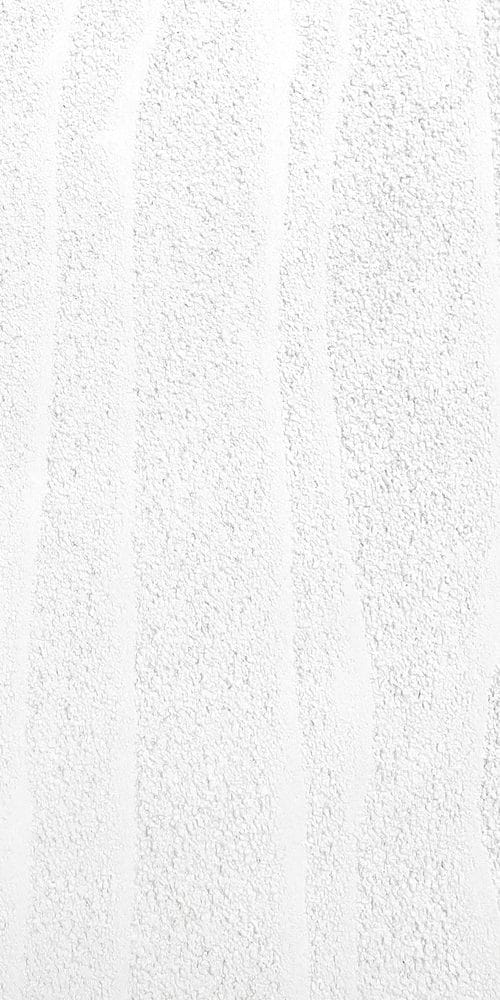
- Textures: Travertine, sandstone, granite, slate
- Popular codes: DS001 Iceland Grey, DS002 Crema, MW05025 Travertine
- Surface treatment: HDS (high-density surface) recommended for high-rise exteriors
Line Series — Linear and Contemporary
- Best for: Commercial buildings, modern architectural designs
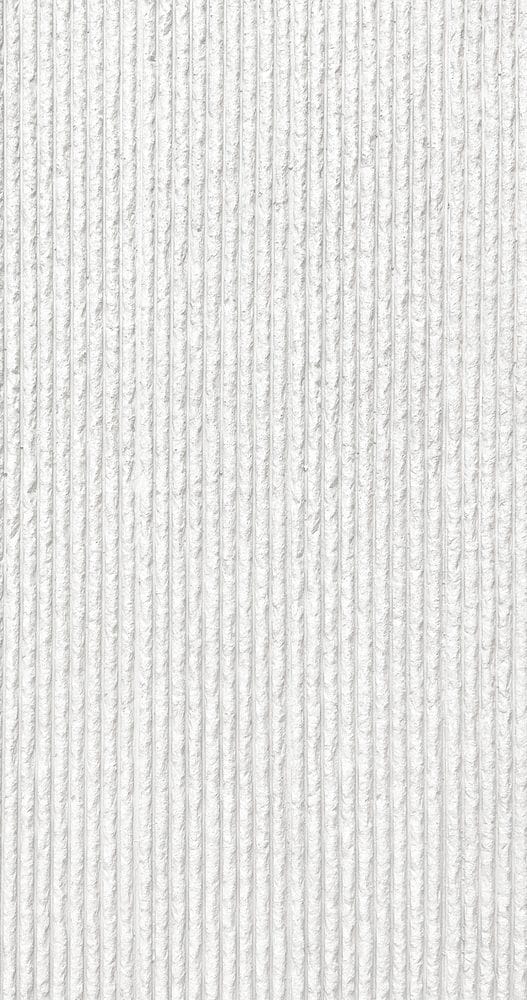
- Textures: Linear striations, brushed metal looks, contemporary patterns
- Popular codes: DL2005, DL2031
- Surface treatment: BDS (bonded density surface) for exterior
Simulation Series — Engineered Aesthetics
- Best for: Projects requiring specific stone looks at lower cost
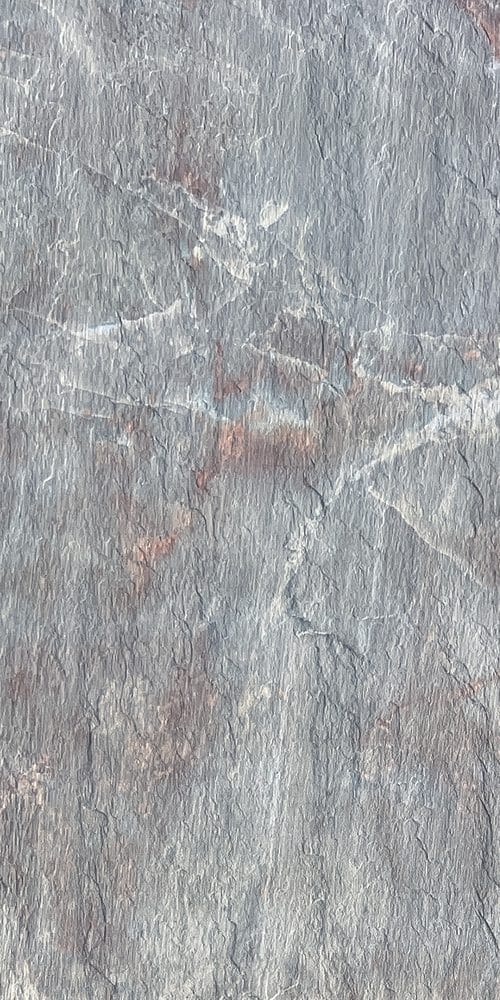
- Textures: Simulated marble, simulated granite, simulated limestone
- Popular codes: BY05025, CW05025
High-End Series — Premium Finishes
- Best for: Luxury residential, hospitality, landmark buildings
- Textures: Premium marble, rare stone reproductions, custom finishes
- Popular codes: HG2005, HG-series
- Surface treatment: UDS (ultra-density surface) for maximum durability
Surface Treatment for Exterior Use
For high-rise exterior applications, always specify HDS (High-Density Surface) or UDS (Ultra-Density Surface) treated products. These treatments increase surface density for better UV resistance, reduce water absorption to <3%, improve abrasion resistance, and extend warranty coverage.
Explore the complete MCM product catalog to find the right texture and finish for your project.
Installation Overview for High-Rise MCM Projects
1. Substrate Preparation
- Confirm substrate flatness: ≤3mm deviation per 2m straightedge
- Clean surface: remove dust, oil, loose material
- Apply primer if substrate is highly porous
2. Adhesive Application
- Use polymer-modified cementitious adhesive (C2 class per EN 12004)
- Apply with notched trowel (10mm notch)
- Back-butter each panel for full coverage
3. Panel Installation
- Start from bottom edge, work upward
- Press panel into adhesive with rubber roller
- Maintain 2–9mm joint between panels (for movement accommodation)
- Clean excess adhesive immediately
4. Joint Treatment
- Fill joints with matching or contrasting sealant
- For seamless appearance: use color-matched sealant
- For movement joints: use flexible polyurethane sealant
5. Quality Control
- Check adhesion: random pull-off test (≥0.3 MPa)
- Verify joint continuity
- Inspect for surface damage
For the complete installation process, refer to our MCM installation guide.
Why TooFlexi for High-Rise Cladding Projects
TooFlexi is a factory-direct MCM flexible stone brand. Our advantage for high-rise projects:
- 442+ textures across 4 series—find the exact aesthetic for your tower
- A2-s1, d0 fire certification accepted across major markets
- Factory-direct pricing—no distributor markup
- Technical documentation for specification and compliance
- Global shipping with flat-packed logistics
- MOQ 200 m²—accessible for pilot projects and phased installations
- 50+ countries served with 500+ projects across residential, commercial, and hospitality sectors
We provide free sample packs for qualified projects. Each sample pack includes representative textures from all four series so you can evaluate material quality, color accuracy, and surface finish before committing to a specification.
Request Free Samples for Your High-Rise Project
Ready to evaluate MCM flexible stone for your next high-rise project? Request free samples and our technical team will help you select the right series, surface treatment, and color palette for your building.
- WhatsApp: +86 15013353500 — quick project consultation
- Email: info@tooflexi.com — specifications and compliance documentation
- Products: Browse 442+ textures
- Samples: Request free sample pack
TooFlexi — Lightweight. Flexible. Future-proof.
Frequently Asked Questions
What is the lightest cladding material for high-rise buildings?
MCM flexible stone is one of the lightest cladding options for high-rise buildings at 3.0–10.5 kg/m². Other lightweight options include aluminum composite panels (5–8 kg/m²) and fiber cement boards (10–15 kg/m²), but MCM offers the visual quality of natural stone at a fraction of the weight.
Can MCM flexible stone be used on buildings over 50 meters tall?
Yes. MCM flexible stone achieves A2-s1, d0 fire rating and is suitable for buildings above 18 meters in most jurisdictions. For buildings over 50 meters, check local building codes—some regions require additional fire engineering review. MCM’s adhesive-bonded installation and low weight make it particularly well-suited for tall buildings.
How does lightweight cladding reduce construction costs?
Lightweight cladding reduces costs in multiple ways: lighter structural frame, smaller foundation, no anchor system, faster installation (4–5x faster than traditional stone), reduced transport costs, and no heavy lifting equipment. Typical savings range from 60–70% on total installed facade cost.
Is MCM cladding fire-rated for high-rise buildings?
MCM flexible stone is A2 class (GB 8624, factory tested) and can be specified to meet EN 13501-1 A2-s1,d0, which meets fire safety requirements for high-rise buildings in most major markets including the EU, UAE, Saudi Arabia, Singapore, and the UK. A2 rating means limited combustibility with no smoke production and no flaming droplets.
How long does MCM cladding last on a high-rise building?
MCM flexible stone has a design life of 25+ years on exterior applications. The inorganic mineral base does not degrade under UV exposure, and the material passes 50-cycle freeze-thaw testing. With proper installation and HDS/UDS surface treatment, MCM facades maintain color stability and structural integrity for decades.
What is the minimum order quantity for MCM cladding?
The minimum order quantity for TooFlexi MCM flexible stone is 200 m² per color. For high-rise projects requiring multiple colors or textures, MOQ can be met by combining colors across mixed pallets. Contact us for project-specific pricing and sample arrangements.
Can MCM cladding be installed on existing buildings for refurbishment?
Yes. MCM is ideal for recladding existing buildings because of its low weight, adhesive-bonded installation (no drilling required), and low-dust/low-noise installation process. It can be applied directly over existing concrete, render, or tile surfaces after proper preparation.
What wind load can MCM cladding resist?
MCM cladding’s adhesive-bonded installation distributes wind loads across the entire panel surface. When properly installed with C2-class adhesive, MCM facades resist design wind pressures up to 3.5 kPa, suitable for high-rise buildings in most wind zones including typhoon-affected regions.