Flexible Stone for Hotel Facades: The Complete Design & Specification Guide
Hotel facades define first impressions. They signal brand identity, architectural intent, and the quality guests expect before they ever step into the lobby. Yet for architects, project managers, and hotel owners, specifying facade materials that balance aesthetics, structural safety, and budget remains a persistent challenge. For interior specifications — lobbies, corridors and feature walls — see MCM flexible stone for hotel and commercial interiors.
Traditional stone cladding brings undeniable beauty—but it also brings weight, cost, and installation complexity that can derail a project timeline. Flexible stone, specifically MCM cladding, offers a proven alternative: A2 class (GB 8624, factory tested), 2–9mm thin, and weighing just 3.0–10.5 kg/m².
This guide walks through everything you need to know about specifying flexible stone for hotel facades—from material composition and fire compliance to installation, cost, and sourcing—so your next hospitality project runs on time, on budget, and up to code.
Why Hotel Facades Need Flexible Stone Cladding
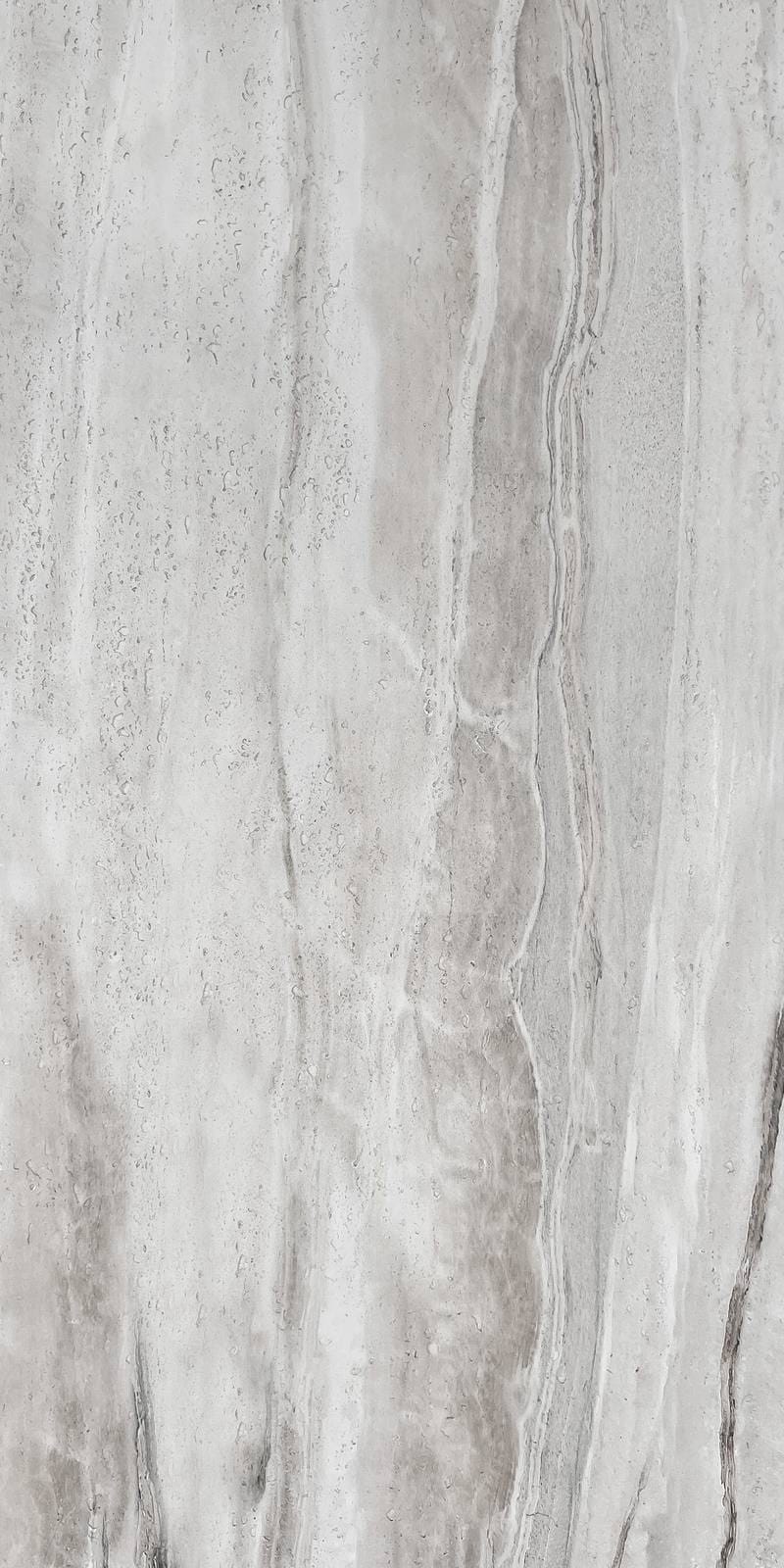 MCM flexible stone travertine Iceland Gray texture for hotel facade cladding" />
The Weight Problem with Traditional Stone
Granite, marble, and limestone have served hotel facades for decades. But their density—often 25–30kg/m² even in thin-cut formats—places significant demands on structural support systems. For mid-rise and high-rise hotels, that weight translates into heavier steel framing, reinforced substrates, and more expensive anchor systems.
Flexible stone veneer addresses this at the source. At 3.0–10.5 kg/m² and just 2–9mm thick, MCM cladding reduces facade dead load by up to 80% compared to traditional stone panels. That reduction cascades through the entire building: lighter support structures, smaller foundations, and faster installation cycles. For renovation projects where the existing structure may not support additional stone weight, lightweight cladding panels often make the difference between a feasible upgrade and a non-starter.
Design Flexibility for Modern Hotel Architecture

Contemporary hotel exterior design embraces curves, organic forms, and complex geometries that rigid stone panels cannot follow without costly cutting and waste. Bendable stone veneer conforms to radii as tight as 200mm, wrapping columns, arches, and curved feature walls without seams or visible joints.
This adaptability matters for branded hotels where architectural guidelines require distinctive silhouettes. Rather than forcing designers into flat-plane compromises, flexible stone allows the facade to follow the design intent—whether that means sweeping entrance canopies, rounded corner features, or undulating accent bands that give a property its signature look.
Fire Safety Compliance for Hospitality Buildings
Hotels are classified as assembly or residential occupancies in most building codes, which means facade materials face stringent fire performance requirements. Many jurisdictions now mandate A2 or equivalent fire-rated cladding for buildings above certain heights—especially following high-profile facade fire incidents worldwide.
TooFlexi MCM flexible stone is classified A2 (GB 8624, factory tested) for fire performance, making it suitable for hotel projects where fire compliance requirements demand documented performance. Unlike some generic MCM brands that lack complete test documentation, TooFlexi provides factory test records for project submittals, giving fire engineers and building officials the documentation they need to approve specifications with confidence.
What Is MCM Flexible Stone?
Composition and Manufacturing

MCM is a mineral-based cladding material composed of modified inorganic powders derived from natural stone, combined with a polymer binder and reinforced with a fiberglass mesh backing. The manufacturing process—detailed in our guide on how MCM is made—involves powder modification, sheet forming, and controlled curing to produce a material that retains the visual texture of natural stone while gaining flexibility and dramatically reduced weight.
The result is a MCM flexible stone that is neither a traditional ceramic nor a synthetic veneer. It is engineered specifically for building envelope applications where both fire performance and aesthetic fidelity matter. The inorganic mineral base contributes to fire resistance, while the polymer modifier provides the flexibility that distinguishes MCM from conventional thin stone panels.
Key Physical Properties
| Property | Specification |
|---|---|
| Thickness | 2–9mm |
| Weight | 3.0–10.5 kg/m² |
| Fire Rating | A2 per GB 8624 |
| Minimum Bend Radius | ~200mm |
| Color Options | 442+ |
| Sheet Size | Customizable |
These properties make thin stone panels practical for applications where conventional stone would be too heavy, too brittle, or too costly to install. The material cuts with standard tools, adheres with compatible adhesives, and requires no specialized heavy-lifting equipment on site—reducing both labor costs and safety risks during installation.
Advantages of Flexible Stone for Hotel Applications
Structural Load Reduction

Every kilogram saved on the facade reduces demands on the structural frame, connections, and foundation. For a 5,000m² hotel facade, switching from 25kg/m² traditional stone to 4kg/m² MCM cladding removes over 100 tonnes of dead load. That reduction can translate into smaller structural members, reduced concrete volume, and lower overall construction cost.
In seismic zones, lighter facades also improve building performance by reducing seismic mass—a consideration that directly affects guest safety and long-term structural integrity. Engineers can reallocate the weight savings to other building systems or simply reduce the structural specification, lowering both material and labor costs.
Curved Surface Adaptability

Hotel architecture frequently features curved elements: entrance porticos, lobby domes, column shafts, and decorative archways. Traditional stone requires custom cutting, mitering, and mechanical fixing for each curve—a labor-intensive and expensive process that also generates significant material waste.
Flexible stone veneer bends to follow these geometries directly. A single sheet can wrap a 300mm-diameter column with no visible joint, creating a monolithic stone appearance that would be impractical with rigid panels. This capability makes stone cladding for hospitality projects far more versatile than conventional alternatives, allowing designers to specify stone textures on surfaces that would otherwise require paint, metal, or synthetic finishes.
Renovation Without Demolition
Hotel renovations operate on tight schedules. Guests need to return, revenue needs to resume, and demolition noise must stay within manageable limits. One of the most significant advantages of MCM cladding for building facade renovation is that it can be applied directly over existing finishes—tile, render, painted concrete, or even old aluminum panels—provided the substrate is sound and properly prepared.
This eliminates the dust, noise, debris removal, and structural risk associated with tearing off old cladding. A hotel exterior wall cladding renovation that might take weeks of demolition can instead proceed directly to surface preparation and installation, cutting project timelines significantly. For occupied hotels where renovation must occur in phases with minimal guest disruption, this advantage is particularly valuable.
Weather and UV Resistance
Hotel facades face decades of sun, rain, temperature cycling, and in coastal locations, salt spray. TooFlexi flexible stone is engineered for exterior exposure, with UV-stable pigments and a mineral-based composition that resists fading, cracking, and water ingress.
The material’s low water absorption rate helps prevent freeze-thaw damage in cold-climate destinations, while its inorganic composition resists mold and biological growth in humid tropical environments. As commercial facade materials go, MCM offers a service life measured in decades, not years—making it a sound long-term investment for hotel properties planning to maintain their exterior appearance without frequent refinishing.
TooFlexi Product Series for Hotel Projects
TooFlexi offers four product series, each engineered for specific design and performance requirements. Explore the full product catalog or read on for series-specific guidance tailored to hotel applications.
Rock Series – Natural Stone Textures
The Rock Series reproduces the appearance of granite, marble, slate, and sandstone with high fidelity. Each texture is derived from real stone surfaces, capturing natural variation in grain, veining, and color depth. For hotel projects that require the gravitas of natural stone without the structural penalty, Rock Series delivers the visual authenticity architects and owners expect—available in dozens of colorways that can be matched to regional stone preferences.
Line Series – Linear and Striated Patterns
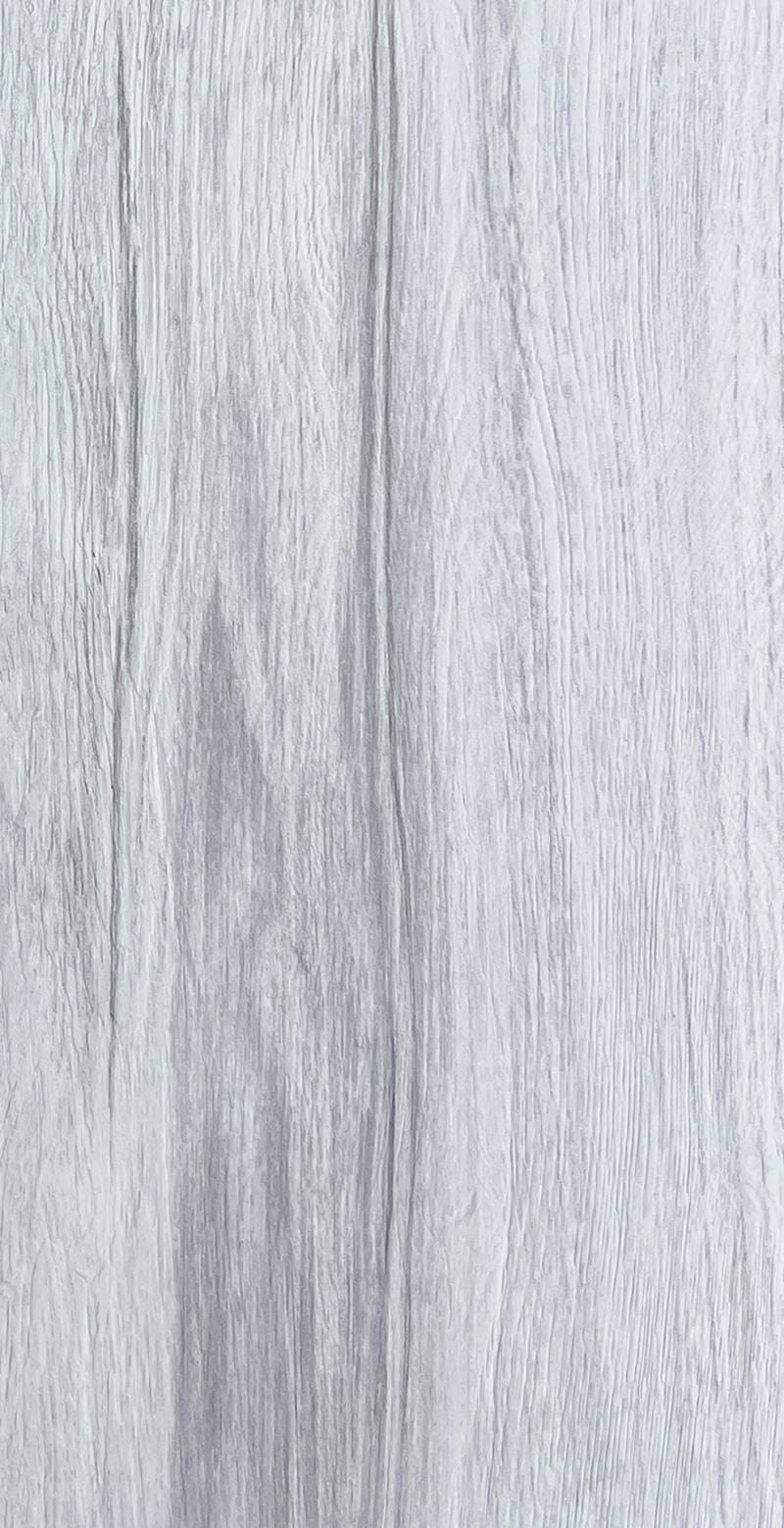
The Line Series features linear, striated, and wood-grain textures that suit contemporary hotel facades seeking a directional or organic aesthetic. These patterns work particularly well on feature bands, entrance accents, and interior corridor walls where rhythm and texture guide the visual flow. The linear format also helps visually elongate facade surfaces, creating a sense of height and architectural refinement.
Simulation Series – Custom Texture Reproduction
The Simulation Series enables custom texture reproduction—matching specific stone types, regional materials, or even brand-specific color standards. For hotel chains with strict VI (visual identity) guidelines, this series ensures facade finishes align precisely with brand standards across multiple properties and regions. Custom textures require additional development time, so early consultation with our team is recommended.
High-End Series – Premium A2 class (GB 8624, factory tested) Finishes
The High-End Series represents the premium tier, combining A2 class (GB 8624, factory tested) performance with refined surface treatments and metallic or specialty finishes. This series is engineered for flagship hotel properties where both fire compliance and elevated aesthetics are non-negotiable. The finishes in this series undergo additional quality control to ensure surface consistency across large facade areas.
Fire Performance and Compliance
A2 class (GB 8624) (GB 8624) Explained
 A2 class (GB 8624) for hotel facades" />
The GB 8624 standard is China’s national standard for fire performance of building materials. It classifies materials from A1 (non-combustible) through A2 (limited combustibility) down to B and C grades. An A2 rating means the material does not sustain combustion, produces minimal smoke, and contributes negligible heat release during a fire.
TooFlexi MCM flexible stone achieves A2-s1, d0 classification—the highest practical rating for a mineral-based veneer that retains flexibility. The “s1” designation indicates minimal smoke production, and “d0” indicates no flaming droplets or particles. Full test reports are available for project submittals and regulatory review.
Why A2 Matters for Hotel Projects
Hotel buildings house sleeping occupants, which places them in the highest fire-risk occupancy category in most codes. A fire-rated facade is not optional—it is a life-safety requirement. A2 class (GB 8624, factory tested) cladding provides documented proof that the facade material will not contribute to fire spread, giving architects, fire engineers, and building officials the confidence to approve the specification.
In markets like the UAE, Singapore, and the EU, A2-equivalent ratings are increasingly mandated for exterior wall cladding on buildings above 18 meters. Specifying A2 class (GB 8624) material from the outset avoids costly re-specification and delays during permitting. For hotel projects in these regions, choosing a material with verified A2 documentation streamlines the approval process and reduces regulatory risk.
Installation on Hotel Facades
Substrate Compatibility
MCM flexible stone bonds to a wide range of substrates commonly found in hotel construction:
- Poured concrete and precast panels
- Cement board and fiber cement substrates
- Existing tile, render, or painted surfaces (if sound and properly prepared)
- Metal framing with appropriate backing board
- Gypsum board (for interior applications)
The key requirement is a clean, dry, structurally sound surface. For installations over existing finishes, a bond test is recommended to confirm adhesion before proceeding with full-scale application. Our installation guide covers substrate preparation, adhesive selection, and application techniques in detail.
Installation Steps Overview
- Surface preparation: Clean the substrate, repair cracks, and ensure the surface is flat and dry. Remove loose paint, efflorescence, or contaminants.
- Layout and marking: Plan sheet placement to minimize waste and align patterns at seams. Mark reference lines on the substrate.
- Adhesive application: Apply compatible adhesive using a notched trowel, covering the full back of each sheet evenly.
- Sheet placement: Position the sheet, press firmly, and use a roller to ensure full adhesion and remove air pockets.
- Joint treatment: Butt joints tightly for seamless appearance, or leave controlled gaps for grouted finishes depending on design intent.
- Sealing: Apply a breathable surface sealer where specified, particularly for exterior applications exposed to heavy rain.
- Final inspection: Check adhesion, alignment, pattern continuity, and surface integrity against the approved sample.
Installation requires standard tools—no special equipment, cranes, or mechanical anchor systems. A trained crew can typically install 50–80m² per day, depending on substrate complexity and pattern alignment requirements. This speed is a significant advantage for hotel projects operating under tight renovation windows.
Quality Inspection Checklist
- ☐ Substrate flatness within ±2mm over 2m straightedge
- ☐ Adhesive coverage ≥95% of sheet back
- ☐ No hollow-sounding areas when tapped
- ☐ Joints aligned and consistent in width
- ☐ No visible adhesive squeeze-out at edges
- ☐ Surface clean, no scratches or scuffs
- ☐ Sealer applied evenly (if specified)
- ☐ Pattern matches approved sample
Cost Considerations for Hotel Projects
Material Cost vs Traditional Stone
On a per-square-meter basis, MCM flexible stone is compared to traditional stone competitively, particularly when factoring in the cost of cutting, anchoring, and handling heavy stone panels. While raw material cost may appear similar, the installed cost of MCM is typically lower due to reduced labor, faster installation, and elimination of mechanical fixing systems.
When compared to aluminum composite panels, MCM offers a natural stone aesthetic that ACP cannot replicate, along with superior fire performance at a comparable price point. For hotel projects where brand standards require stone textures, MCM eliminates the trade-off between appearance and budget.
Total Project Cost Savings
The real cost advantage emerges at the project level. Reduced structural load means smaller support systems. Lighter material means lower shipping costs. Faster installation means shorter scaffolding rental and labor periods. No demolition means no debris disposal. Together, these factors can reduce total facade project cost by 20–40% compared to traditional stone, depending on project scope and complexity.
For a detailed cost analysis tailored to hotel projects, including per-unit pricing and logistics calculations, refer to our cost guide. The savings compound when MCM is specified early in the design phase—before structural systems are finalized and while value engineering options remain open.
Sourcing and Logistics
MOQ and Lead Time
TooFlexi operates with a minimum order quantity of MOQ 200m²—sufficient for a focused facade feature or a small hotel renovation. For full-building projects, order volumes typically range from 1,000 to 5,000m² depending on facade area and design complexity.
Standard lead time is 20–30 working days from deposit confirmation, depending on order volume, color availability, and any custom Simulation Series textures requiring new mold development. As a factory-direct supplier based in Guangxi, China, TooFlexi controls production scheduling directly—no intermediary delays, no communication gaps between trading companies and factories.
FOB Pricing and Payment Terms
Pricing is quoted FOB Shenzhen Port, providing transparency for freight forwarders and import managers to arrange shipping to any global destination. Shenzhen Port is one of the world’s busiest container ports, offering extensive direct shipping routes to Southeast Asia, the Middle East, Africa, Europe, and the Americas—making it a strategic logistics hub for hotel renovation materials destined for international markets.
Payment terms are straightforward: 50% deposit to initiate production, 50% balance before shipment. This structure protects both parties and aligns with standard international B2B trade practice. For project managers budgeting multi-phase hotel renovations, these terms provide the financial clarity needed to plan cash flow across construction milestones.
Sample Process
Before committing to a full order, TooFlexi encourages project teams to request physical samples. The sample process works as follows:
- Request: Contact us with project details, desired series, and color references.
- Sample production: We produce A4-size samples (or larger on request) in the specified texture and color.
- Shipping: Samples ship via international courier, typically arriving within 5–7 working days.
- Evaluation: Assess texture, color accuracy, flexibility, and thickness against project requirements.
- Approval: Confirm the sample as the production standard for the full order.
This process ensures that what you approve is what you receive—no surprises at delivery, no color mismatches across production batches.
Real-World Applications
Hotel Exterior Cladding
MCM flexible stone has been applied in 500+ projects across 50+ countries, including hospitality and commercial facades. On hotel exteriors, the material provides a natural stone appearance that withstands UV exposure, temperature extremes, and moisture—without the weight and installation complexity of conventional stone.
Typical exterior applications include full facade coverage, entrance feature walls, accent bands between glazing systems, and parapet cladding. The A2 class (GB 8624) ensures compliance with height-based fire codes for mid-rise and high-rise hotels, while the 442+ color options allow facade finishes to match any hotel brand’s visual identity.
Interior Lobby and Corridor Walls
Inside the hotel, flexible stone veneer brings the same natural texture to lobby feature walls, reception backdrops, corridor accent panels, and elevator surrounds. The thin profile—2–9mm—means minimal impact on interior space, and the lightweight material bonds directly to drywall, plaster, or existing wall finishes without additional structural support.
For interior applications, the A2 class properties of MCM also help meet corridor and egress code requirements in many jurisdictions, providing an extra layer of compliance assurance. Hotel owners appreciate that the same material specified for the exterior can carry through to interior feature walls—creating visual continuity from the street to the lobby.
Column Wraps and Curved Features

Columns are a hallmark of hotel lobbies and porticos. Wrapping them in traditional stone requires custom cutting and mechanical anchors for each piece—a process that is both expensive and time-consuming. Flexible stone wraps columns seamlessly, following curves without joints or visible seams.
This capability extends to dome interiors, arched passages, curved reception desks, and any architectural feature where rigid materials would require expensive fabrication. The result is a monolithic stone appearance that elevates the perceived quality of the space while keeping fabrication and labor costs under control.
Frequently Asked Questions
1. What is flexible stone for hotel facades?
Flexible stone for hotel facades is a thin, lightweight cladding material made from MCM. It reproduces the appearance of natural stone at 2–9mm thickness and 3.0–10.5 kg/m² weight, making it suitable for both new construction and renovation projects where traditional stone would be too heavy or costly to install.
2. How much does flexible stone cladding weigh?
TooFlexi MCM flexible stone weighs 3.0–10.5 kg/m², depending on thickness (2–9mm). This is approximately 80% lighter than traditional cut stone, which typically weighs 25–30kg/m² even in thin formats. The weight reduction translates directly into lower structural requirements and faster installation.
3. Is flexible stone fire-rated for hotel projects?
Yes. TooFlexi flexible stone is classified A2 under GB 8624 (factory tested) and can be specified to meet EN 13501-1 A2-s1,d0. This means the material does not sustain combustion, produces minimal smoke, and produces no flaming droplets—meeting fire safety requirements for hotel buildings in most jurisdictions worldwide.
4. Can flexible stone be used on curved hotel walls?
Yes. MCM flexible stone can bend to a radius of approximately 200mm, allowing it to conform to curved walls, columns, arches, and domes without cutting or visible joints. This makes it ideal for hotel architecture with organic or curved geometries where rigid stone panels would require costly custom fabrication.
5. What is the MOQ for flexible stone veneer?
The minimum order quantity is MOQ 200m². This accommodates focused feature installations as well as pilot orders for evaluation before larger commitments. For full-building hotel facade projects, typical order volumes range from 1,000 to 5,000m².
6. How long does production take for hotel projects?
Standard production lead time is 20–30 working days from deposit confirmation. Lead time depends on order volume, color availability, and whether custom textures in the Simulation Series require new mold development. TooFlexi controls production directly as a factory-direct supplier, ensuring reliable scheduling.
7. Can flexible stone be installed over existing cladding?
Yes. MCM flexible stone can be installed directly over sound existing finishes—including tile, render, painted concrete, and old metal panels—provided the substrate is structurally sound and properly prepared. This eliminates demolition, reducing renovation time, cost, and guest disruption in occupied hotels.
8. How does flexible stone compare to traditional stone for hotels?
Compared to traditional stone, flexible stone offers equivalent aesthetic appeal at 80% less weight, A2 class (GB 8624) per GB 8624, curved-surface adaptability, renovation-without-demolition capability, and faster installation. Total project cost savings typically range from 20–40% when structural, labor, and logistics factors are included.
Conclusion: Future-Proof Your Hotel Facade
Hotel facades must do more than look exceptional—they must perform under fire safety scrutiny, structural constraints, renovation timelines, and decades of weather exposure. TooFlexi MCM flexible stone addresses all of these demands in a single material system: A2 class (GB 8624, factory tested) per GB 8624, 2–9mm thin, 3.0–10.5 kg/m² lightweight, 442+ colors, and factory-direct supply from Guangxi, China.
Whether you are specifying materials for a new-build hotel, planning a facade renovation, or matching brand VI across multiple properties, TooFlexi provides the technical performance and design flexibility your project requires. With 500+ projects delivered across 50+ countries, the track record speaks for itself. Lightweight. Flexible. Future-proof.
Request free samples for your next project.
Get Quote · Message us on WhatsApp · info@tooflexi.com